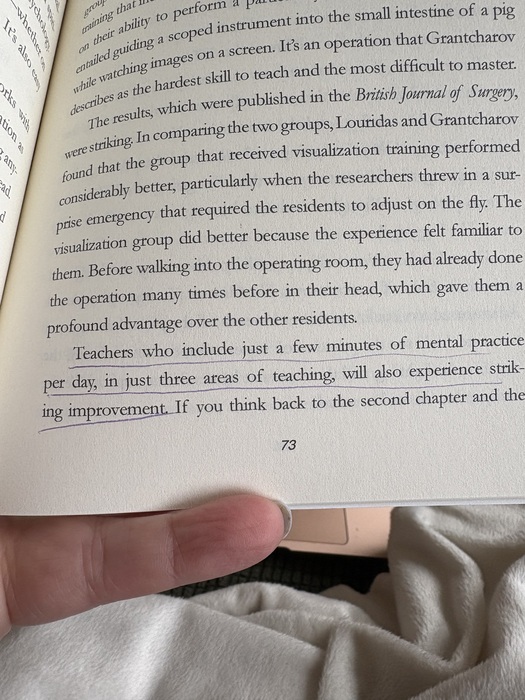
Take a few minutes to prepare mentally for your day!
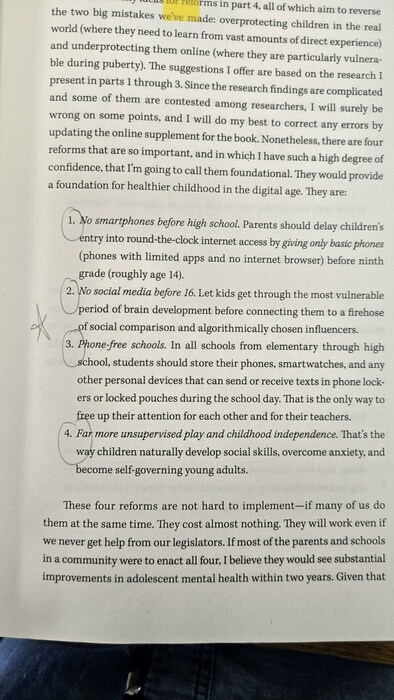
I'm sure by now, most people have seen the 4 reforms that have made this book famous:
1) No smartphone before high school.
2) No social media before 16.
3) Phone-free schools.
4) Far more unsupervised play and childhood independence.
As a parent, my goal, is to follow these reforms with my three children. I'm sure there will be struggles, especially when they realize that there may be peers that don't have to follow them. As a teacher, I would love to allow more unsupervised play and independence, but struggle with finding the time. As "homework" this year, I told my students that I'd like them to play outside for 15 minutes every day, but I know that many are not able due to activities, home situations, etc. I wish I could give them time outside during the schoolday somehow to make sure they were all getting it. I was delighted that the district adopted a phone free policy this year. It's not much of an issue in elementary school, although it does come up sometimes, but I would love to know what differences are being seen in secondary because of this.
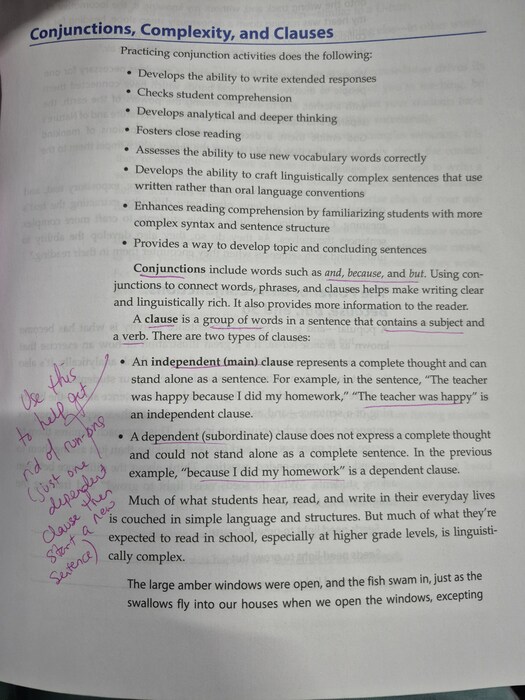
Many of my students continue to write run-on sentences. This page helped to show me that I need to slow down and give repeated practice of sentence parts. Students needs to hear examples orally before they can edit their own work.
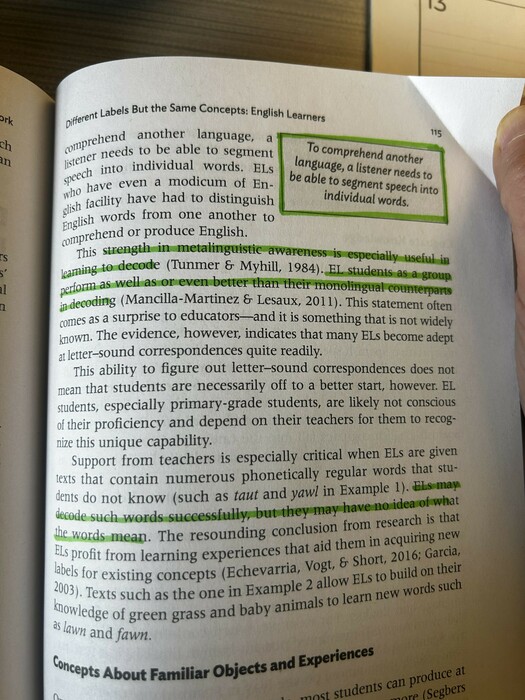
Good reminder when working with students whose first language is not English.
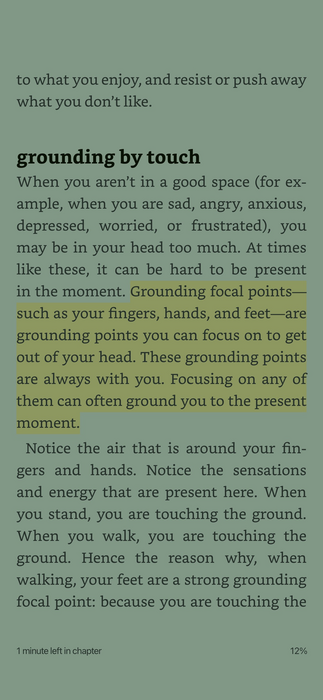
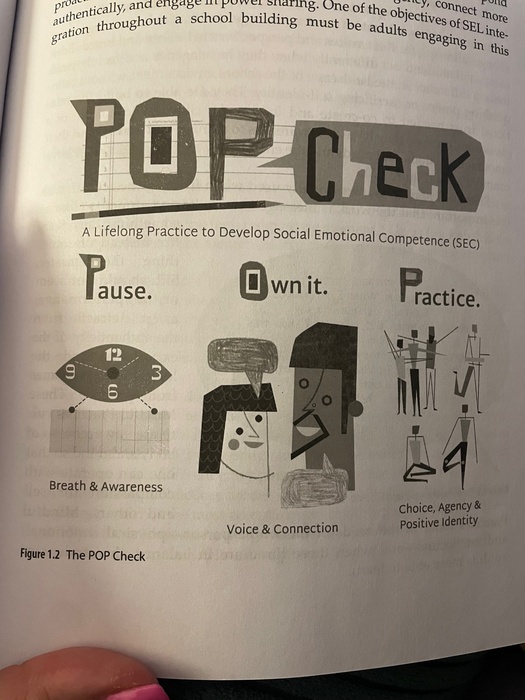
A great centering strategy that could be used building-wide and provides common language. Simple for students to learn and use
Social and Emotional Learning promotes a safe and healthy learning environment by allowing students to explore and take chances without the worry of failure. They can use risk taking as a form of growth regardless of the outcome. The study performed by CASEL indicated that students with access to social and emotional learning programs performed better academically than students that did not.
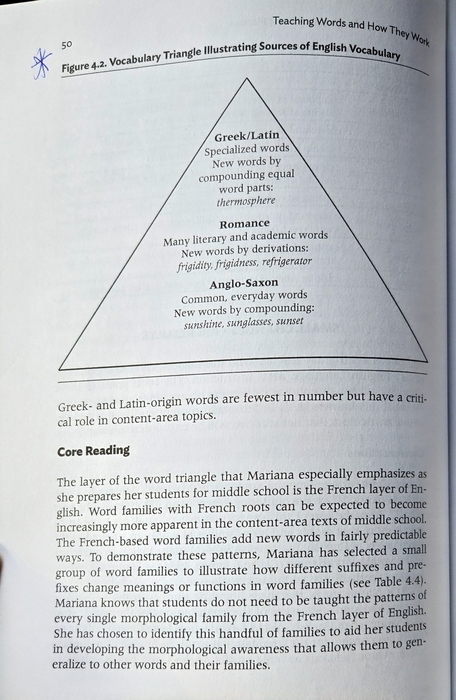
Most of the commonly used words in English have Anglo-Saxon roots. French were the words used by the upper classes after the Normans conquered England. Scientific and technical words came from Greek and Latin during the Renaissance.
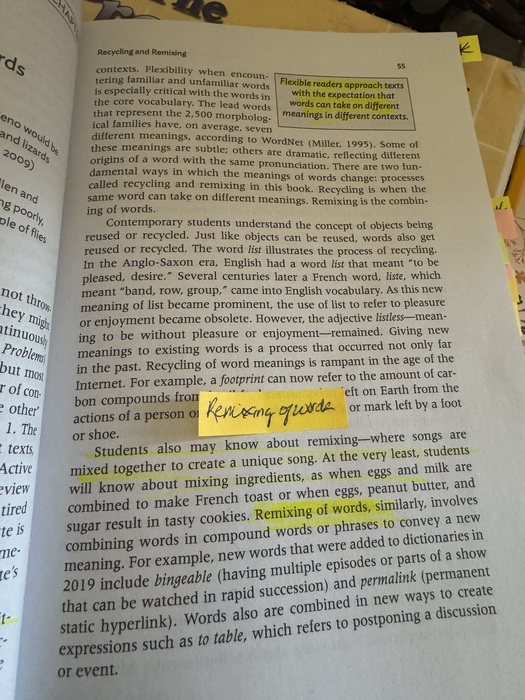
You can re-mix words to make new words like artists mix songs to create new ones.
This statement stood out to me because sometimes we get so caught up in things in our minds that happened earlier that we often forget to be in the present moment


 Choose YOUR book, Book Study 2025-2026
 gyanuk
7 months ago
gyanuk
7 months ago
 adri22
7 months ago
adri22
7 months ago
 jobradley
7 months ago
jobradley
7 months ago
 derekrichards
8 months ago
derekrichards
8 months ago
 emily-kraeger
8 months ago
emily-kraeger
8 months ago
 tammy-thomas
8 months ago
tammy-thomas
8 months ago
 kevin-bovi
8 months ago
kevin-bovi
8 months ago
 kate-sfeir
8 months ago
kate-sfeir
8 months ago
 anna77
8 months ago
anna77
8 months ago