Choose YOUR book, Book Study 2025-2026

Book Snap #4 Lessons from the book

Only editable by group admins

  • Last updated July 23, 2024 at 9:19 AM
  • Evidence visible to public
You can snap any way you'd like, but it must include... -pic of the text -specific line or line that you draw our attention to (highlight, underline, etc.) -emoji -text annotation -audio recording that explains the book snap at an even deeper level

All posted evidence

Posted Image

snorth 7 months ago

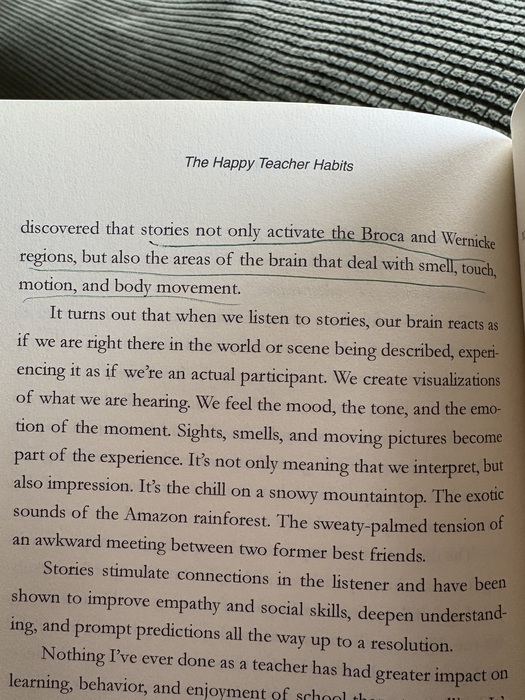
When students listen to stories, their brains react as if they are right there experiencing it.

mrs-sklar 7 months ago

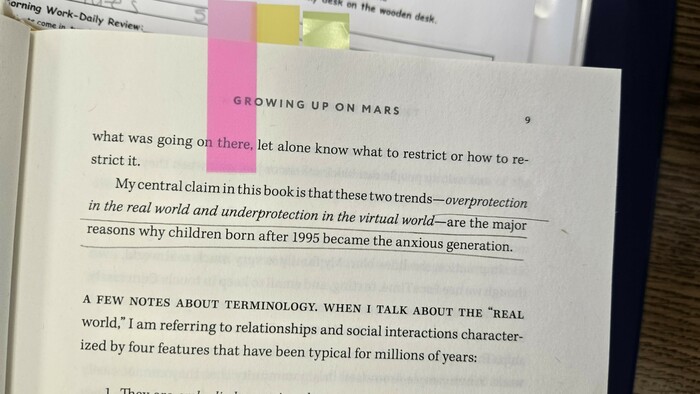
"Overprotection in the real world and underprotection in the virtual world- are the major reasons why children born after 1995 became the anxious generation." This leaves me wondering what we can do as teachers? I know what I can do as a parent, but as a teacher, how can I help this?

gyanuk 7 months ago

Saying no

I'm reading a section about saying no to many of the day-to-day things that don't bring joy or aren't essential, and zoning in on what's really important. This pertains to me so much! I struggle so much to saying no, and I am met with time-sucking people and time-sucking obligations when what I really want to do is just prioritize certain things in my life. I agree with the author that saying no to things in a polite way will get your life back in balance and will be quite liberating. But as mentioned, as teachers we're people pleasers and struggle to say no. There are so many times I want to say no to some of the things being asked of me. I simply cannot fit another thing on my plate. I like the part about people being more sensitive of your time when you stand firm in saying no.
adri22 7 months ago

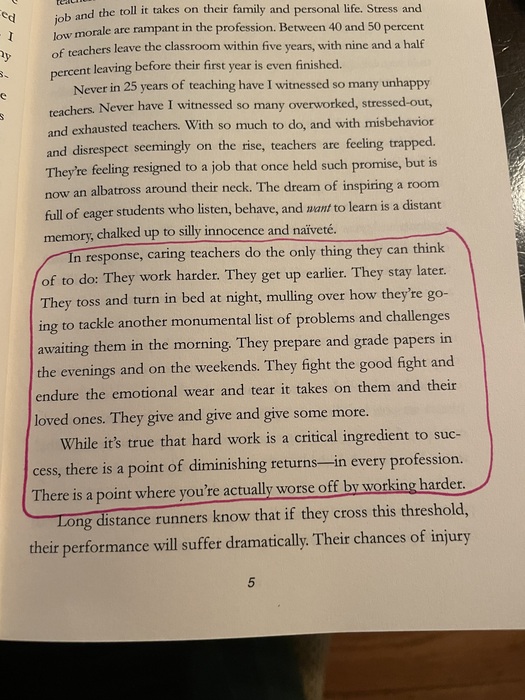
I wish I could work smarter rather than work harder. I am so this person who is at school constantly, and it has made my personal life much less enjoyable. :(

adri22 7 months ago

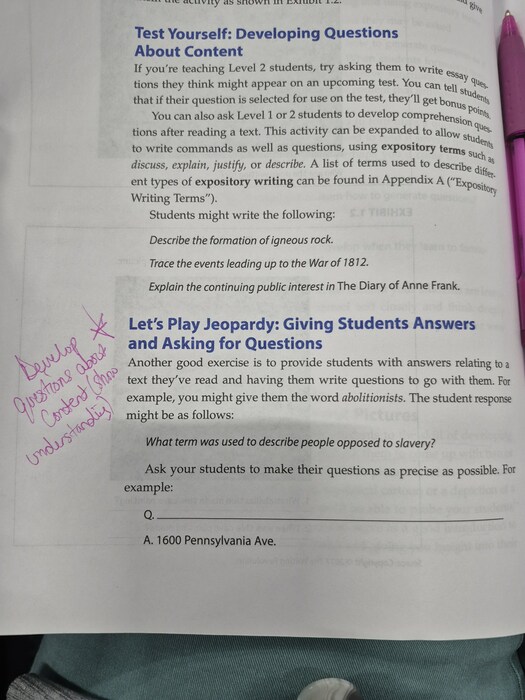
Find fun ways for students to show mastery of content. If students develop thoughtful, relevant questions (and answers) about the text, then they exhibit comprehension. A fun way to do this is by having student(s) create a game of Jeopardy.

jobradley 7 months ago

Lessons from the book

A line from Chapter 2 that stuck with me is: “Success can provide that boost.”

It’s a short line, but it says a lot about how important it is for students to feel like they’re capable. In our Math 7 classroom, I’ve seen how quickly students can shut down if they feel like they’re always getting the wrong answers or not understanding the material.  It’s not that they don’t care, they’re just tired of feeling like they’re failing.


This line reminds me that sometimes the best thing we can do is help students feel a small win.  That could be solving a problem correctly, understanding a new concept, or even just making progress from where they were yesterday. When students get that small taste of success, they sit up a little straighter, participate more, and are more likely to try the next problem.  It builds momentum.

For example, when we’re working on solving equations, I’ll sometimes give a simpler problem first not to make things easy, but to give them a chance to feel confident.  Once they get that first one right, they’re much more willing to try the tougher ones.  So, this line really affects how I think about planning lessons.  It’s not just about covering the material it’s about making sure students have chances to succeed along the way so they don’t lose hope.

derekrichards 8 months ago

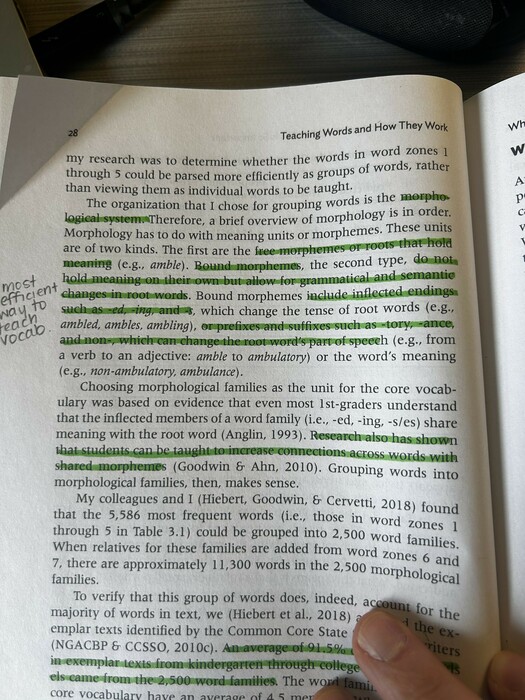
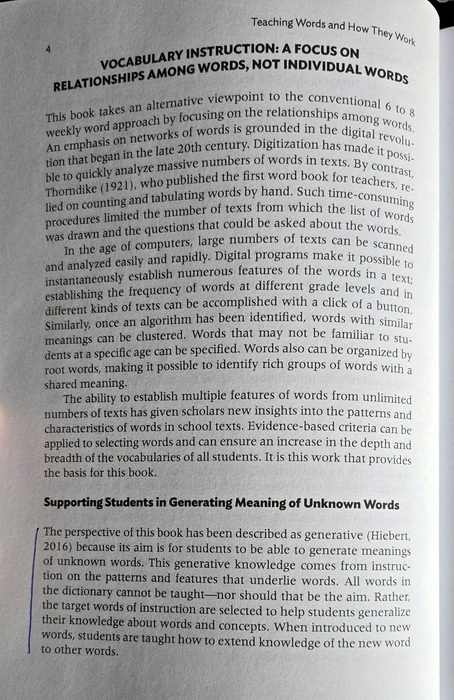
When reading this section, I noted that this was a more efficient way to teach vocabulary words.

emily-kraeger 8 months ago

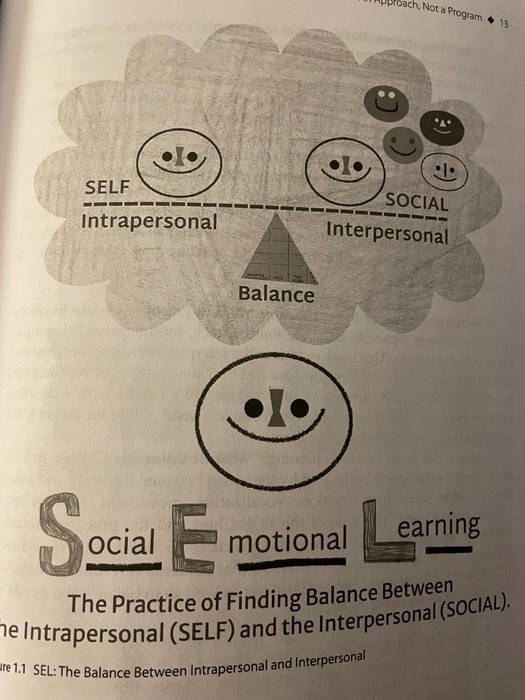
Great visual for students and teachers and outlines how SEL is discussed throughout the book.

tammy-thomas 8 months ago

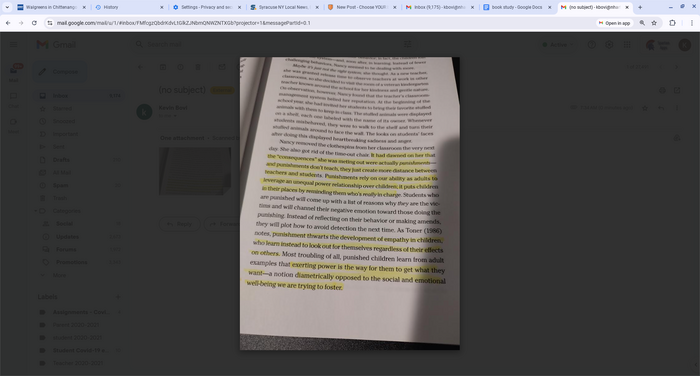
Implementing consequences to student behavior can demonstrate an imbalance of power. This can lead to students believing that excurting power is the best way for them to achieve personal success. We should promote healthy social and emotional well being for all students as a means to achieve success, health, and overall wellness.

kevin-bovi 8 months ago

We cannot possibly teach students all the words they'll ever need to know, but we can teach them how to generalize knowledge of words to other words.

kate-sfeir 8 months ago

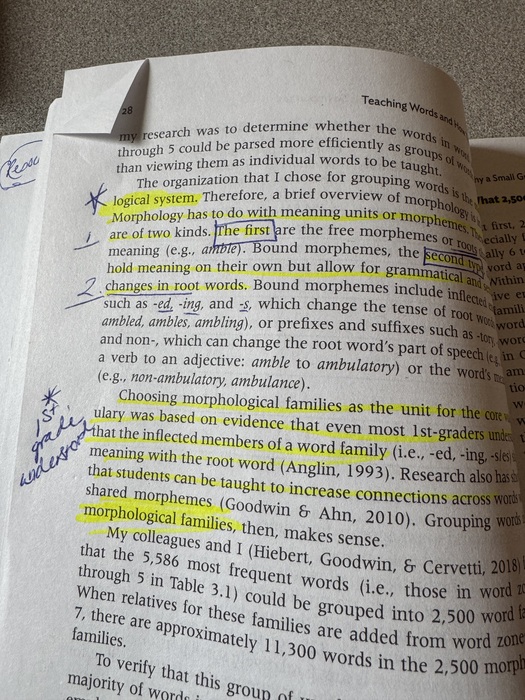
First graders can understand morphological families

anna77 8 months ago