Choose YOUR book, Book Study 2025-2026

Book Snap #3 Lessons from the book

Only editable by group admins

  • Last updated July 23, 2024 at 9:19 AM
  • Evidence visible to public
You can snap any way you'd like, but it must include... -pic of the text -specific line or line that you draw our attention to (highlight, underline, etc.) -emoji -text annotation -audio recording that explains the book snap at an even deeper level

All posted evidence

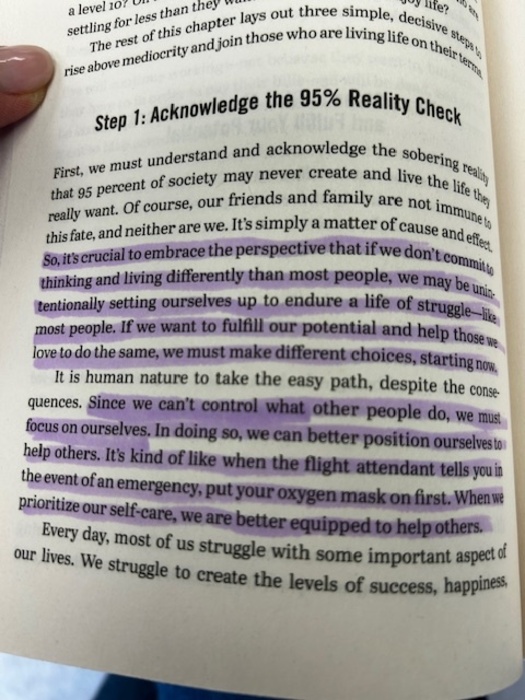
"When we prioritize our self-care, we are better equipped to help others."

rebeccamc 9 months ago

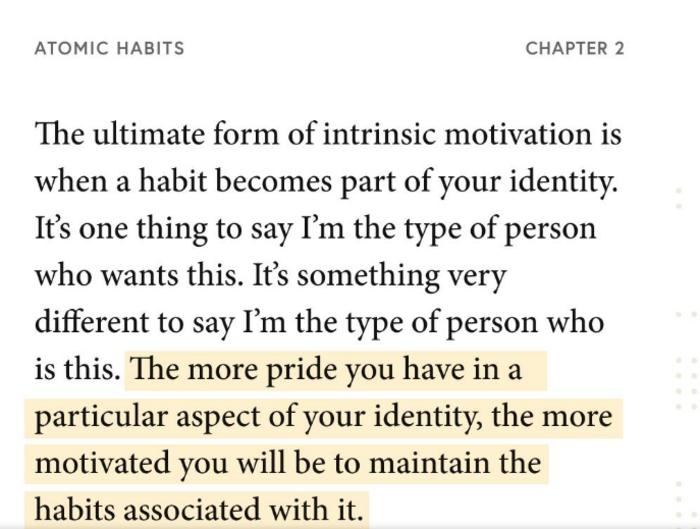
I am listening to the audiobook, but I searched for this part because I found it eye-opening. True behavior change is identity change

eileenjroth04 10 months ago

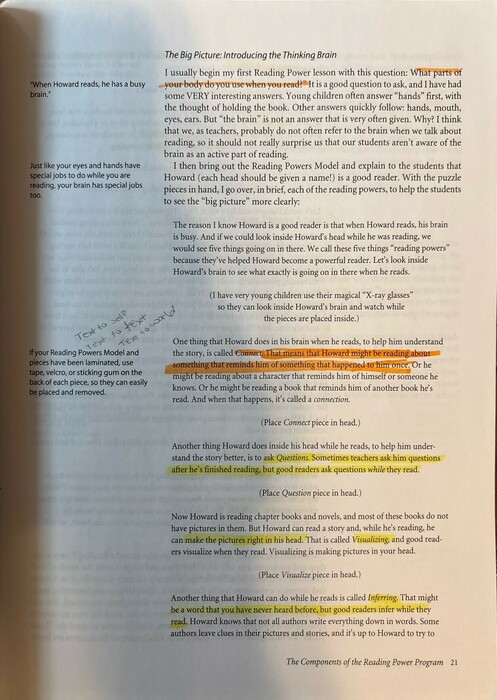
I like how this book is laid out so far. On page 21 it discusses how to help students make connections while they are reading. It reminded me of many of the new materials that just came out for the Geodes which I use in the classroom. There are usually activities that require the students to write about how the text relates to themselves, another text, or the world. This is exactly the type of practice this book is stating students should have. It goes one step further however and explains that struggling students might not do this naturally and that they may need a lot of modeling beforehand. It fully lays out how to go about doing this. On page 31, it shows the four components of reading instruction and it reminds me of the “I do, We do, You do” method I already use.

katie-jadhon 11 months ago

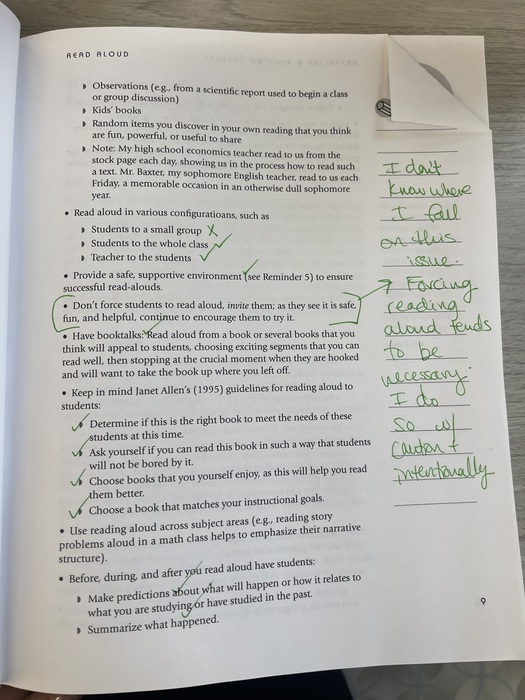
I pondered inviting students to read aloud rather than forcing them to. There are ways to require this while accommodating student needs.

lauren-mccarthy About 1 year ago

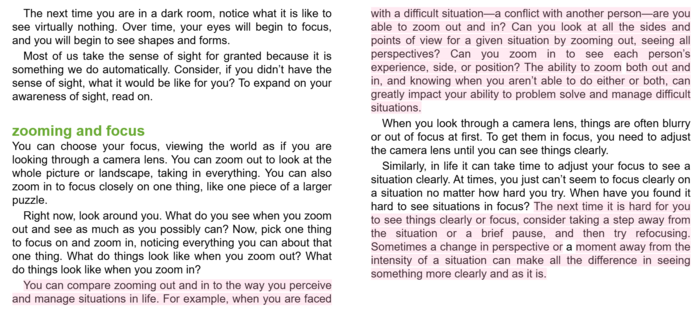
It's important to see all sides in a conflict to successfully negotiate your way through the conflict and come up with a compromise. Our students need to learn that everyone's side is important. Taking a break and cooling off our emotions can help us gain perspective and help reduce a stressful situation.

cpiazza About 1 year ago

p. 9 "Overprotection in the real world and underprotection in the virtual world."

This quote regarding the central theme of the book resonated with me. As a parent of 2 young girls, I feel like I overly "helicopter" my kids in all areas outside of my home, but am more lenient with technology at home. As I reflect, this really is not a great parenting strategy! This page really hooked me into reading the rest of the book and seemed to be a consistent theme. While I didn't agree with all of Haidt's views on "real-world freedom", I think the point was valid and caused a lot of reflection for me.  
christinamalara About 1 year ago

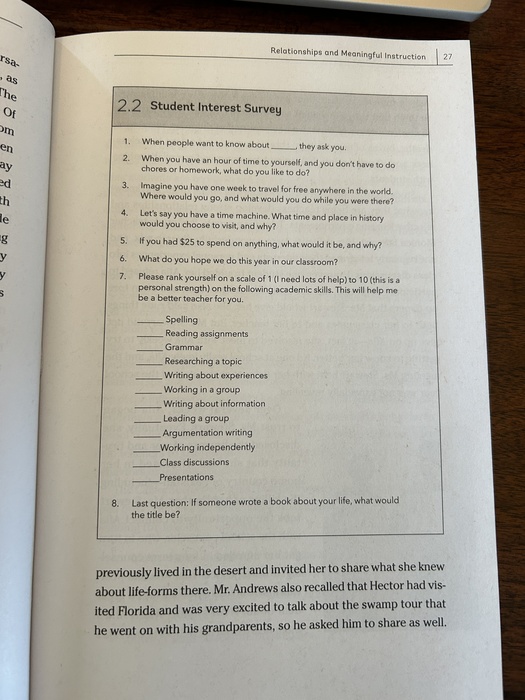
Student Interest Survey

This struck me because it is such a simple, obvious way to being on the right track to successfully and effectively manage a classroom.  "It is vital for teachers to get to know their students beyond their academic profile.  To this end, we encourage teachers to ask students about their interests, hobbies, aspirations, and family lives.  When we humanize one another, it's much harder to be harsh, rude, or defiant," pg. 26.  This allows teachers to not only connect on a personal level, but they can apply this information about their students' likes/dislikes and background knowledge to curriculum content, which furthers connections and fosters relationships throughout the class.  Talking with students and getting to know them personally doesn't always have to be life-changing, but all those small personal moments can be pathways to trust and respect, which sets the stage for a well-managed classroom.  

rachel-knapp About 1 year ago

Student Interest Survey - captures one of the most crucial aspects of being an effective teacher - genuine care for others

rachel-knapp About 1 year ago

Posted Image

snorth About 1 year ago

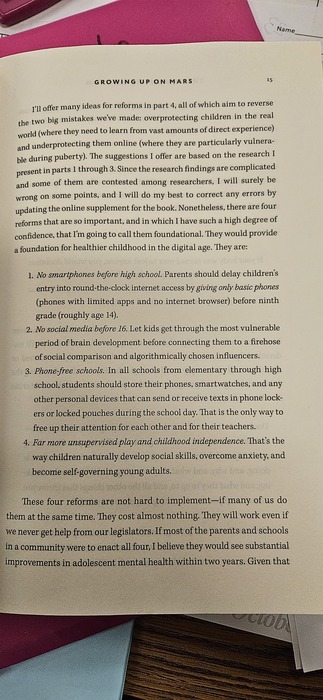
Page 15 in book

As I started this book on page 15 what stood out to me was the No smartphones before high school and no social media before 16. This made me think of my own children who are 12, 10, and 7. My older two do have a cell phone they share but that was because we no longer have a landline so it was a way for them to call us when they are home and we are not and then for them to carry with them around the neighborhood when they are out playing with the neighborhood kids. We went with the smartphone because then we can track them around the neighborhood with the life 360 app.
It worked great for that purpose for the first couple of years. It sat on the counter and then when they left the house they put it in their bike bag.
Now as they are older and their friends have phones and are on social media apps they also want to be. The struggle is real. We have allowed our oldest to join one social media app and we have limits on it and go on and check to see what he is doing. But we can't monitor it 24/7 and we can't monitor what others are posting. 
I wish we could go back to the days of no phones but that will not happen. I am hoping as I continue to read this book I find helpful information to use at home with my own children and at work with my students. 

michelle-hogan About 1 year ago

Posted Image

michelle-hogan About 1 year ago

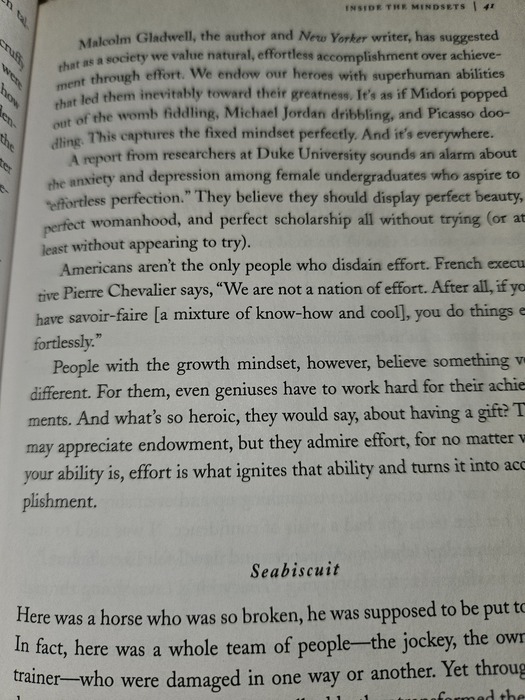
This resonated with me- big time! As a culture, we do celebrate the naturally and effortlessly gifted and accomplished. I have had the thought that if I have to work really long and hard, then I might be lacking. I do not view myself as a fixed mindset person, but I have to re-examine that pattern in my mindset now. Expending effort does equal success, but it does not mean that I am lacking in ability. I enjoy a good challenge- like a puzzle, riddle, etc, and I like to work for the answer. I need to make that my mindset with everything. I have to make it clear to students that hard work does not mean they are less than anyone else.

valerie-indolfi About 1 year ago