

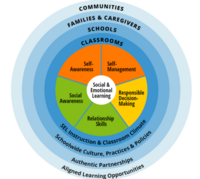

A key learning about self-awareness is
the recognition and understanding of one's own thoughts, feelings, strengths,
weaknesses, and values. It involves the ability to reflect on one's
experiences, behaviors, and motivations, leading to greater insight and
personal growth.
In my math classroom, I encourage self-awareness through regular reflection activities. One specific way I do this is by incorporating reflective journaling sessions into our routine. After completing a challenging problem-solving task or participating in a group activity, I allocate time for students to journal about their experiences. I provide prompts such as "What strategies did you use to solve the problem?" or "How did you feel when working with your peers?" This encourages students to pause, reflect, and articulate their thoughts and emotions, fostering self-awareness. By engaging in reflective journaling, students develop a deeper understanding of their problem-solving approaches, collaboration skills, and emotional responses, ultimately enhancing their self-awareness and metacognitive abilities.
In my math classroom, I encourage self-awareness through regular reflection activities. One specific way I do this is by incorporating reflective journaling sessions into our routine. After completing a challenging problem-solving task or participating in a group activity, I allocate time for students to journal about their experiences. I provide prompts such as "What strategies did you use to solve the problem?" or "How did you feel when working with your peers?" This encourages students to pause, reflect, and articulate their thoughts and emotions, fostering self-awareness. By engaging in reflective journaling, students develop a deeper understanding of their problem-solving approaches, collaboration skills, and emotional responses, ultimately enhancing their self-awareness and metacognitive abilities.