This video I created explains how the water cycle works in an easy way for students to follow.
Google
Google Drive is a free way to keep your files backed up and easy to reach from any phone, tablet, or computer. Start with 15GB of Google storage - free.

This was a fun video where kids can have fun and engage with about extinction
YouTube
When Christian gets separated from his group at a museum school trip, he accidentally wanders into an abandoned exhibition of extinct animals. Ignored for too long by humans, the animals come back to life to tell their tragic stories through the medium of song. And some dancing.
I'm not sure if this was the correct way, but here is the water cycle taught as in a song to better understand of how it works.
YouTube
Download the Water Cycle Song Video - CLICK HERE: http://www.havefunteaching.com/shop/science-videos/water-cycle-video-download The Water Cycle Song by Have Fun Teaching is a Water Cycle Video that introduces the Water Cycle, including Evaporation, Condensation, and Precipitation.
I enjoyed gong over this simple concept once again. It not allows for me to refresh my memory on what I know, but to easily demonstrate this concept to my students in the future.
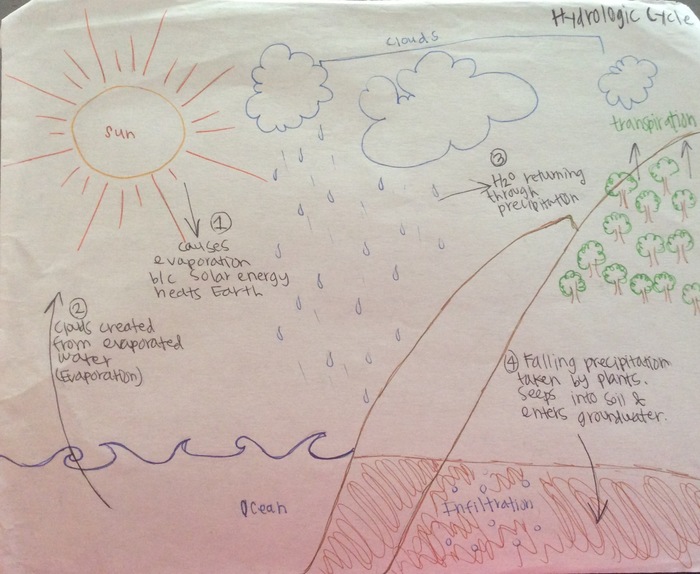
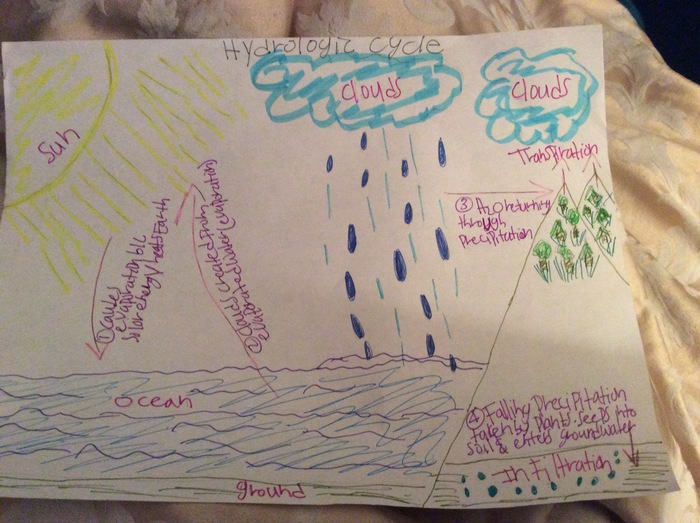
I like refreshing my memory of the water cycle which is also known as the hydrologic cycle.
I made this video about the water cycle. Hope this is the correct evidence for this assignment.
NSCI Ecological Footprint
This is a short video on energy. This video does a good job on explaining what energy is especially to children.
YouTube
We need and use energy in all activities. Energy is the capacity to do work. This educational video is designed to explain what is energy, sources of energy, and uses of energy. We see the various applications of energy through an example of a family picnic, and see various types of energy in action.
This is a great kids video on the water cycle and it very clear and fun for kids.This video is from brainpop.
Brainpop
Thirsty? In this BrainPOP movie, Tim and Moby will show you how water moves around the world: From lakes and seas up into the atmosphere and back down to the ground. You'll learn how water gets into the air and condenses to form clouds.


 Create a video
 stephanielm22
Over 8 years ago
stephanielm22
Over 8 years ago
 itsgabbiee
Over 8 years ago
itsgabbiee
Over 8 years ago
 lengvng25
Over 8 years ago
lengvng25
Over 8 years ago
 mino5894
Over 8 years ago
mino5894
Over 8 years ago
 abyv
Over 8 years ago
abyv
Over 8 years ago
 jackyneri
Over 8 years ago
jackyneri
Over 8 years ago
 niki85
Over 8 years ago
niki85
Over 8 years ago
 licha
Over 8 years ago
licha
Over 8 years ago
 maakaaylaa14
Over 8 years ago
maakaaylaa14
Over 8 years ago
 loves2017
Over 8 years ago
loves2017
Over 8 years ago
 sandraromero
Over 8 years ago
sandraromero
Over 8 years ago
 alexisfior1
Over 8 years ago
alexisfior1
Over 8 years ago
